
Electron beam weld joint design guide
Six joint designs from our own drawings, with notes on fit-up, fixturing, and what your print should show. Use them as a starting point, then send us your print.
What an EB weld callout should show
An electron beam weld is deep and narrow and is made in a vacuum with no filler metal, so the joint design matters. The parts have to fit closely and stay aligned in a fixture, and the assembly has to fit inside the chamber. Before welding, we typically help design engineers with design, tooling, fixturing, and metallurgy.
On tubular parts, the weld has to penetrate the wall without breaking into the inner bore, so the depth and its tolerance matter as much as the location. If you're joining two different metals, check the pair on our dissimilar metals chart.
- Weld location, such as a circumferential joint at a given diameter.
- Weld depth, with a tolerance (for example, 1.000" ± .120").
- The material and grade of each part.
- Overall part length and diameter.
Six electron beam joint designs
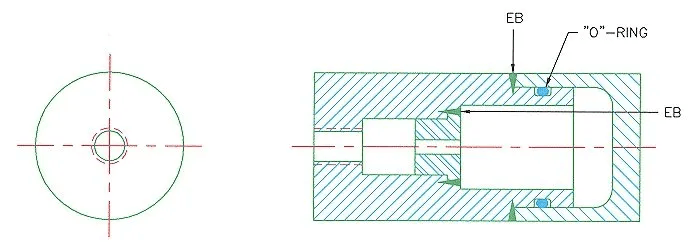
Fig. 01 Weld inside a bore, and a circumferential weld next to an O-ring
The beam can reach a joint inside a bore, and low heat input lets a circumferential weld sit next to an O-ring.
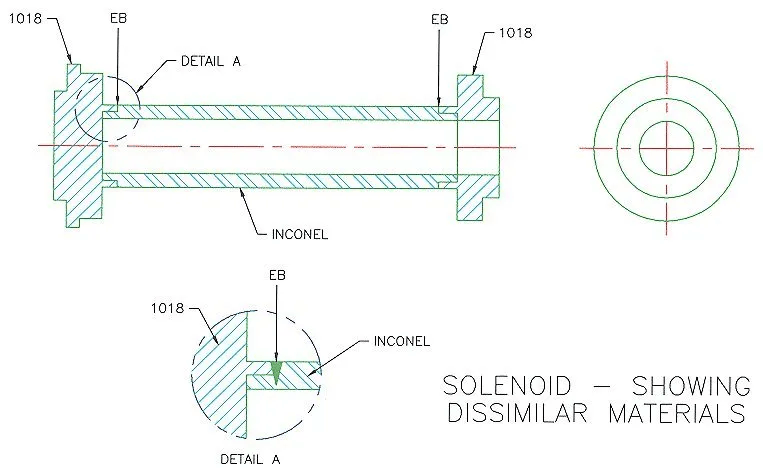
Fig. 02 Solenoid with dissimilar materials
Each 1018 steel end piece is stepped to locate the Inconel tube. EB welding can join dissimilar metals like these when the materials are compatible.
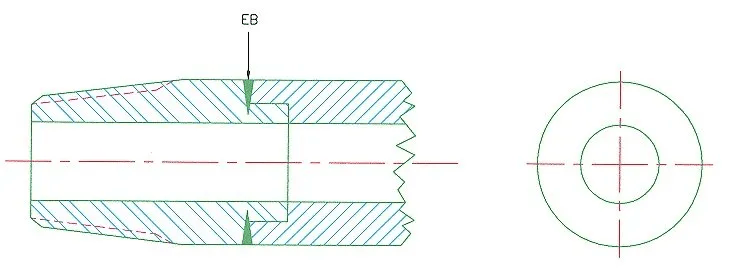
Fig. 03 Butt weld on pipe or tubing to replace an end
A stepped joint locates the new end on the tube, and a circumferential EB weld joins the two.
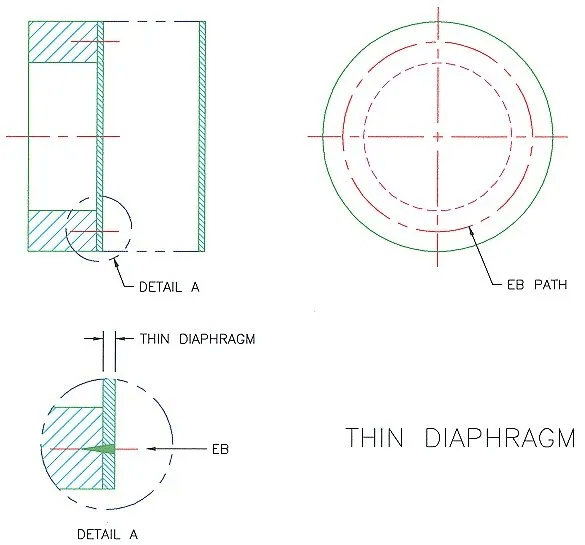
Fig. 04 Thin diaphragm
The beam follows a circular path through the thin diaphragm into the part behind it. Low heat input keeps distortion low.
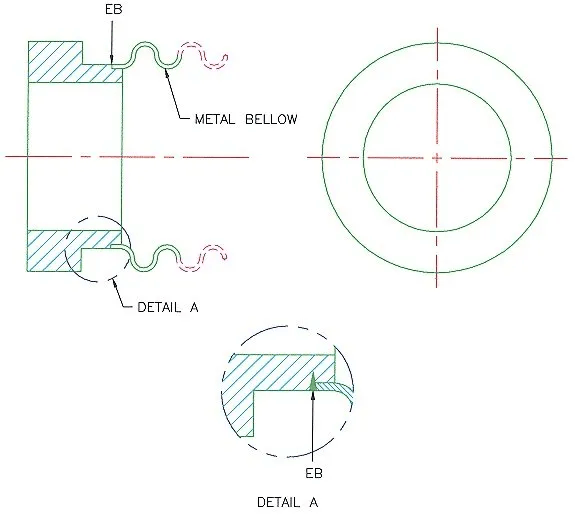
Fig. 05 Bellows assembly
The thin end of the metal bellows sits on a step in the end fitting, where a circumferential EB weld joins them.
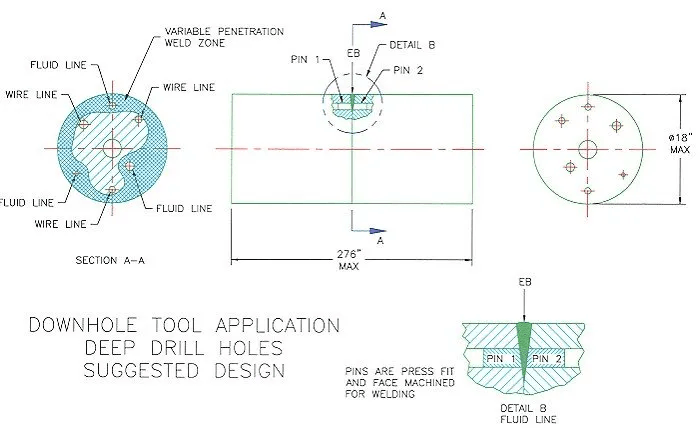
Fig. 06 Downhole tool with deep drill holes
A suggested design for joining downhole tool sections that carry deep-drilled fluid and wire lines. Press-fit pins, face-machined for welding, sit at the joint, and the weld zone uses variable penetration.
Design limits to plan around
Tight fit-up and fixturing
With no filler metal to bridge a gap, mating parts must fit closely and stay aligned. Fixtures hold the joint for the beam.
Demagnetizing magnetic materials
The electron beam is focused by magnetic fields, so residual magnetism in a part can deflect it from the joint. Parts made of magnetic materials may need demagnetizing before welding.
Welds near heat-sensitive parts
Low heat input lets a weld sit close to O-rings, plastics, and electronic components, as in the bore and O-ring drawing above. Show those parts on the print.
Fitting the chamber
Every part has to fit inside a vacuum chamber. Our Sciaky takes parts up to 23.5 ft long, depending on joint location, with weld diameters up to 11". Compare our machines.
Send us your print
Quotes are typically returned within 1 day. Include the material, quantity, and the date you need the parts.
PDF · DWG · DXF · STEP · JPG · PNG
- Phone (713) 690-2326
- Email info@beamweld.com